BACK TO RESEARCH WITH IMPACT: FNR HIGHLIGHTS
Forests are dynamic ecosystems – they are used to change but it takes time to adapt. Climate change means drastic changes and trees are struggling to keep up, and many of them are dying as a result. Efforts to mitigate this includes researchers are investigating how, where, and when water stress conditions could negatively affect forest ecosystems.

Climate change is exposing trees to drastic changes in precipitation (i.e., its timing and amount), while also subjecting them through heatwaves that many trees cannot tolerate or adapt to. These stresses disrupt the tree life cycle and can lead to widespread tree mortality.
“Such adverse effects have enormous ramifications, affecting the humans in unexpected ways, including drinking water supply, irrigation water, or energy production. Therefore, it is necessary to answer how, where, and when water stress conditions could negatively affect forest ecosystems,” explains César D. Jiménez-Rodríguez, a Forest-Hydrologist and R&T Scientist at the Luxembourg Institute of Science & Technology (LIST).
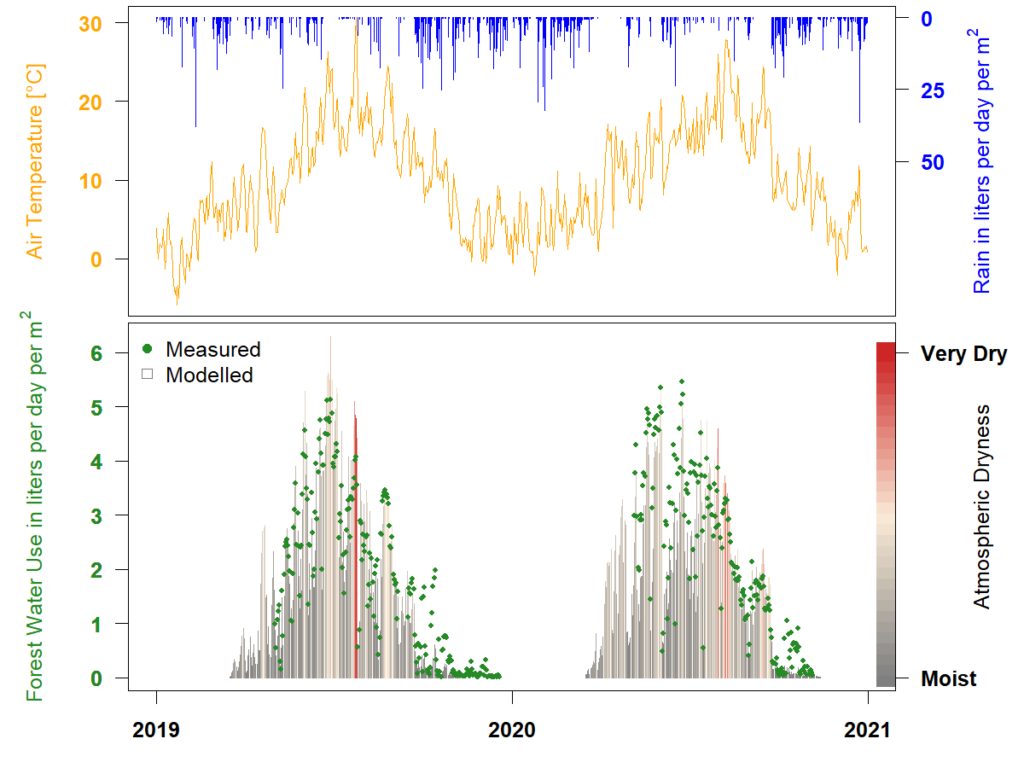
In terms of current research capabilities, César explains that natural ecosystems have been represented using numerical models applied at different spatial scales. Such models help to understand how the ecosystems might respond to specific scenarios through what are known as “virtual experiments”.
“This approach allows us to evaluate how different ecosystems, such as forests, will react to drastic changes like less precipitation, higher temperatures, or even the effect of removing the vegetation to understand what will happen locally or at landscape level. Consequently, we can test several conditions on the same ecosystem at different time scales of decades or centuries without waiting that long or physically affecting the ecosystems. ”César D. Jiménez-Rodríguez Forest-Hydrologist and R&T Scientist at the Luxembourg Institute of Science & Technology (LIST).
Taking into account local and regional features
It is a challenge to find the right scale to characterise the individual driving processes that define the targeted forests’ responses under research. This means it is vital to reconcile the scale of the processes investigated with the scale of the models, but also to select the right characterisation based on local or regional features.
“It is sad to mention, but the funding priorities stand in the way of solving this challenge. Nowadays, the momentum of the open science philosophy has made data and models widely available. Meanwhile, the IT infrastructure provides a fantastic opportunity for this field to thrive. However, the research funds availability for earth sciences experienced a wild increase in the number of competitors without a proportional increase of the research funds. Therefore, selecting projects always sets priorities for the funding allocation, and earth sciences are not at the top of the list.”
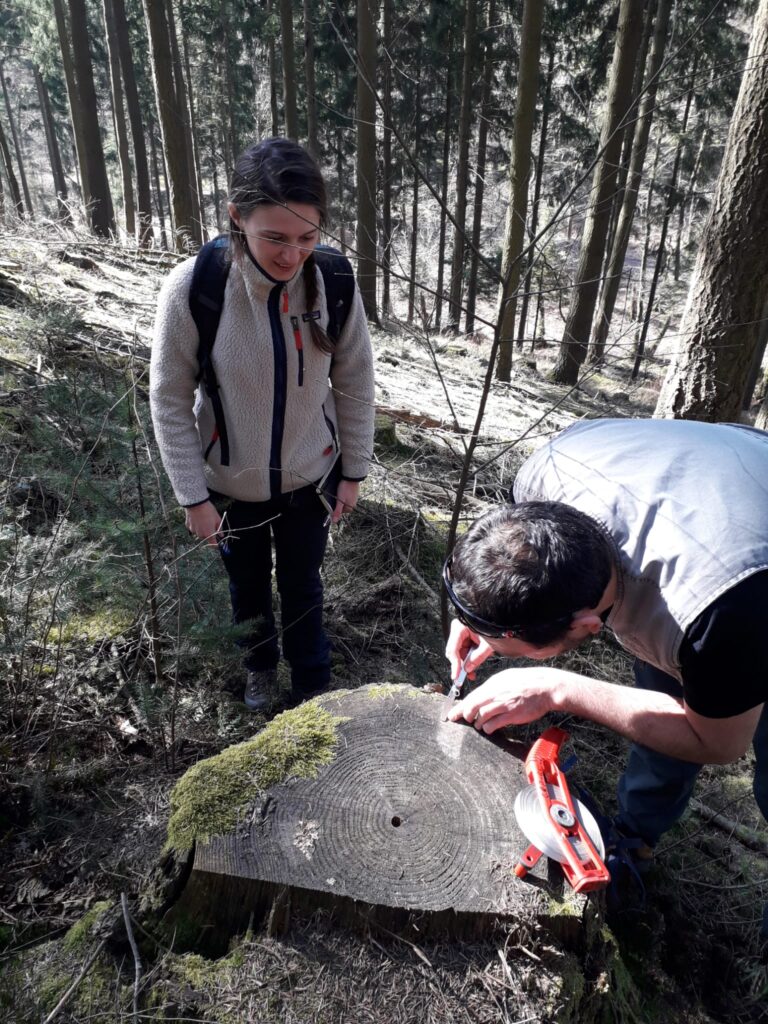
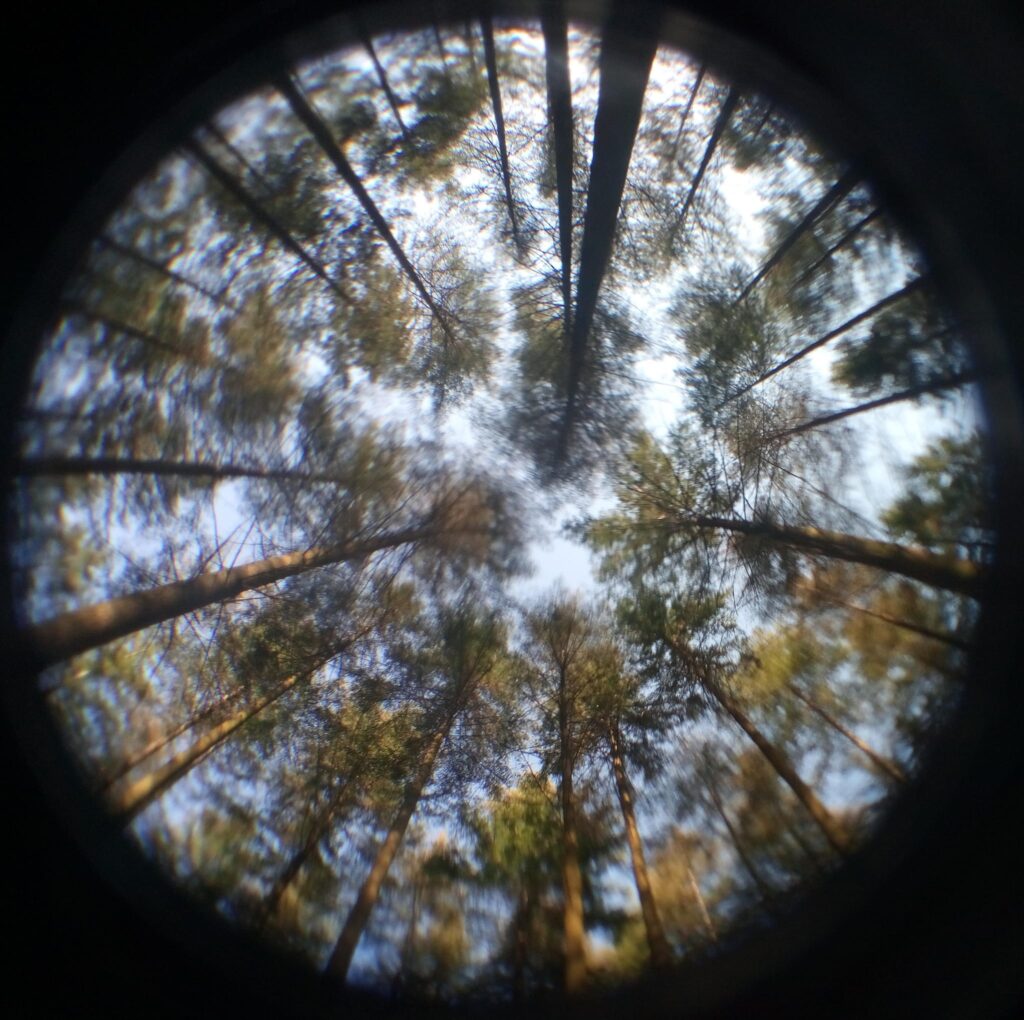
Over the last decade, various numerical models introduced an improved representation of the vegetation. César explains it resembles the process of how vegetation absorbs soil water, move it through the trunks, branches, twigs, and leaves for its later release above the canopy, or along.
“Our research focussed in evaluate how accurate is this representation by selecting experimental forests across Europe that have the right instrumentation to test different “plant configurations” with one model. With our research, we are helping the modelling community to understand the pros and cons of generalizing the different vegetation types with specific examples, at least for Europe.”
“I consider two milestones important in our project. First, it highlighted the need to incorporate a better representation of the bedrock for seasonally dry ecosystems in the land representation of climate models. Second, during the evaluation of the different “plant configurations,” we were able to demonstrate the importance of a plant parameter in the model that plays a key role but was overlooked in other research efforts.”
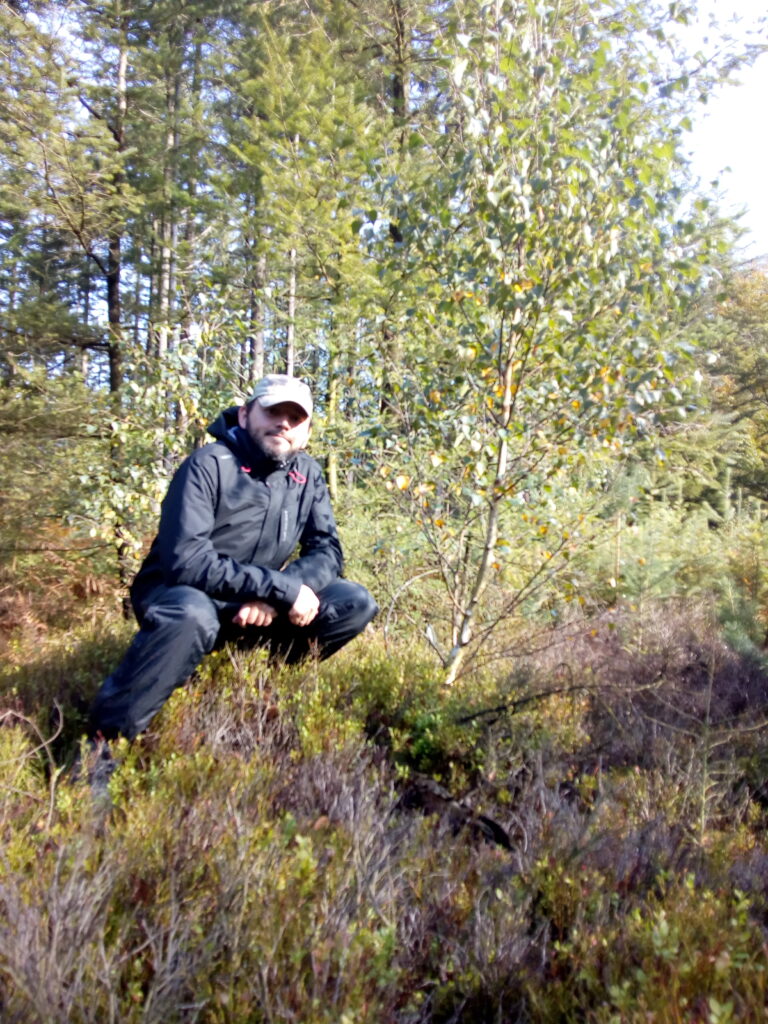
César D. Jiménez-Rodríguez is a Forest-Hydrologist and R&T Scientist at the Luxembourg Institute of Science & Technology (LIST) in the research group led by Dr. Patrick Matgen.
MORE ABOUT CÉSAR D. JIMÉNEZ-RODRÍGUEZ
Describing his research in one sentence
“Assessing the applicability of a generic representation of forest characteristics in land surface models using tree water use as a critical indicator of performance under drought and heat stress.”
What drives him as a scientist
“I grew up near a mountain environment in Costa Rica, where the lush premontane wet forest caught me forever. Since then, questions such as how water moves around, why plants grow only in those rocks, or why there is such a variety of leaf shapes have started growing in the back of my mind. This childhood curiosity drives my work in science, and the Remote Sensing and Natural Resources Modelling group provided the right opportunity to do this with the CAPACITY project.”
Why he chose Luxembourg for his research
“Luxembourg provides a great context for interdisciplinary research thanks to the large diversity of nationalities and backgrounds working together in a small country. This diversity allows us to bring in different research perspectives linked to cultural factors that complement each other. Also, the foreign nature of the population in Luxembourg makes this country an excellent hub for international collaboration with multiple countries and research institutions abroad.”
What he loves about science
“Learning by doing. This includes everything, from the mistakes and pitfalls at the beginning, to the awesome data sets when everything goes smoothly at the end.”
Mentors with an impact
“There are five persons that had influenced my career. First, both of my parents are the ones that put the love and joy for understanding the natural ecosystems. Then, Dr. Julio Calvo-Alvarado (Costa Rica); Dr. Miriam Coenders-Gerrits (The Netherlands), and Dr. Mauro Sulis (Italy). Everyone shared with me a diverse set of skills from tropical ecology, isotopic hydrology, and land surface modelling, respectively.”
Where he sees himself in 5 years
“I picture myself as a scientist settled in Luxembourg carrying out high quality research focussed on the resilience of natural ecosystems of Europe and Latin-America.”
Related highlights
Spotlight on Young Researchers: Lab-grown Cannabis Sativa for valuable compounds
Cannabis sativa is of great interest to scientists, with uses in areas including cosmetics, nutraceutics and pharma. Researchers are working…
Read more
Spotlight on Young Researchers: Making seawater drinkable
Water covers most of our planet, but only about 3% of it is drinkable and hard to reach for many…
Read more
Spotlight on Young Researchers: Smarter choices for complex systems
Complex systems are part of our everyday lives: smart cars, satellites, medical devices – but if they fail it can…
Read more
Spotlight on Young Researchers: Ensuring sustainable water use for Luxembourg
In Luxembourg, nearly one tenth of water consumption happens in agriculture. Changing rainfall patterns and rising irrigation needs during summer…
Read more
Spotlight on Young Researchers – Revisited: From researcher to project manager
When Xianqing Mao was featured in Spotlight on Young Researchers in 2017, she had completed her medical degree and was…
Read more
Spotlight on Young Researchers: Giving robots a more human touch
The use of robots is rising, both in industry and in homes. This is made possible by scientists leveraging artificial…
Read more