BACK TO RESEARCH WITH IMPACT: FNR HIGHLIGHTS
In Luxembourg, nearly one tenth of water consumption happens in agriculture. Changing rainfall patterns and rising irrigation needs during summer months are putting pressure on freshwater resources, with water demand projected to match supply by 2035. The LëtzREUSE project addresses this challenge by exploring water reuse solutions for a more sustainable future.
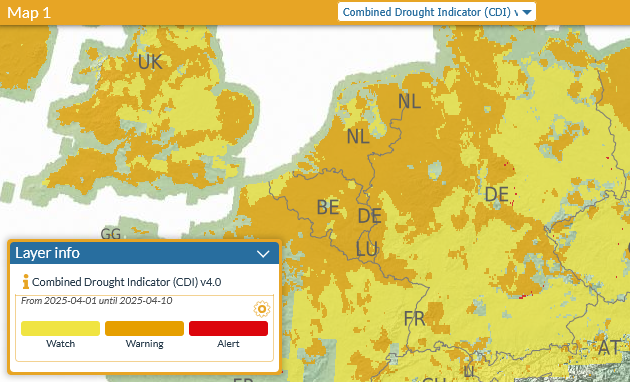
10,800m³. This is the average amount of water used daily in agriculture in Luxembourg, amounting to 9% of the country’s freshwater. While precipitation is stable on an annual basis, seasonal variations are increasing in recent years – an indicator of climate change.
This affects groundwater recharge and freshwater availability, the result is shorter recharge seasons as well as higher irrigation needs in summer.
Concerns about future water availability
It is projected that come 2035, the level of water withdrawn will match the level at which freshwater is replenished – every drop could be used so to speak, which raises concerns about the availability of water in the future. A research project titled LëtzREUSE is tackling this challenge by proposing solutions for water reuse, while also serving as a case study for the future.
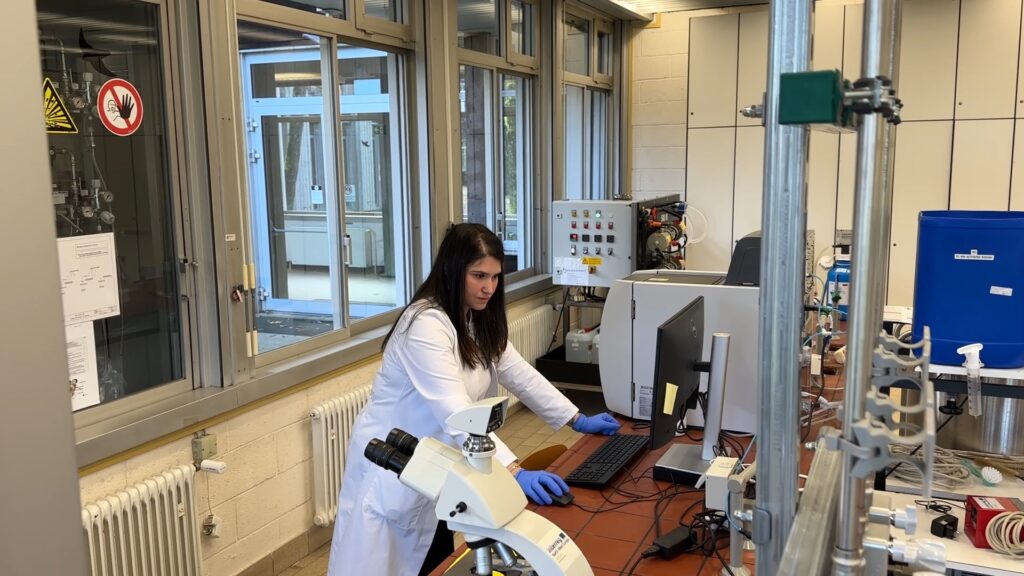
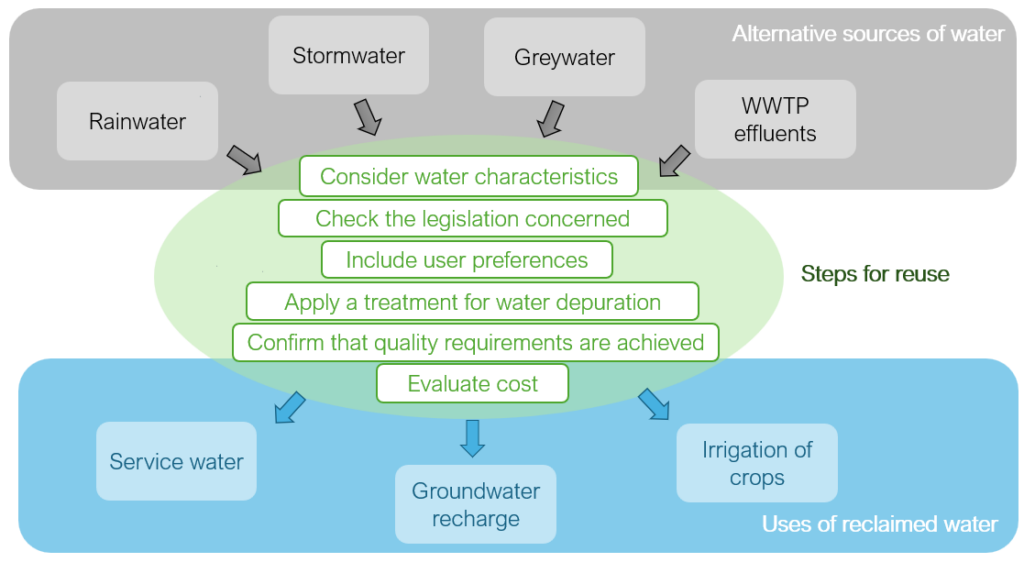
“Research has promoted significant advances in addressing water scarcity through the development of new technologies for water depuration. Effluents of wastewater treatment plants, rainwater, stormwater and greywater, after the appropriate purification technologies to achieve the quality standards of the legislation, could be reused for flushing toilets, the irrigation of gardens or in agriculture,” explains Irene Salmerón García, an Environmental Scientist with a PhD in Biotechnology and Industrial Bioprocesses.
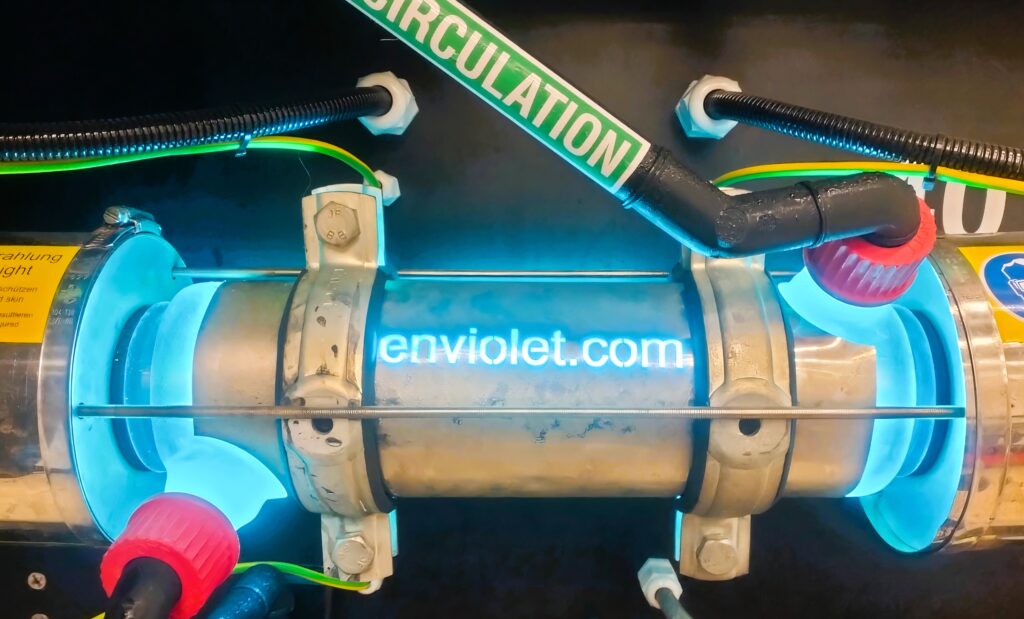
“Fundamental advances on oxidative processes such as ozonation or UV/H2O2, separation by membranes, adsorption with Granular Activated Carbon and nature-based solutions have improved significantly their applicability for water purification.”
Research to inform policies for protecting of water resources
Scientific research is an important support mechanism for policymakers as they develop regulations. Regulations that, for example, aim to reduce the level of pollutant discharges in the environment by upgrading infrastructures. Advancements such as these contribute to the improvement of natural water quality, the protection of resources, as well as the expansion of access to safe water.
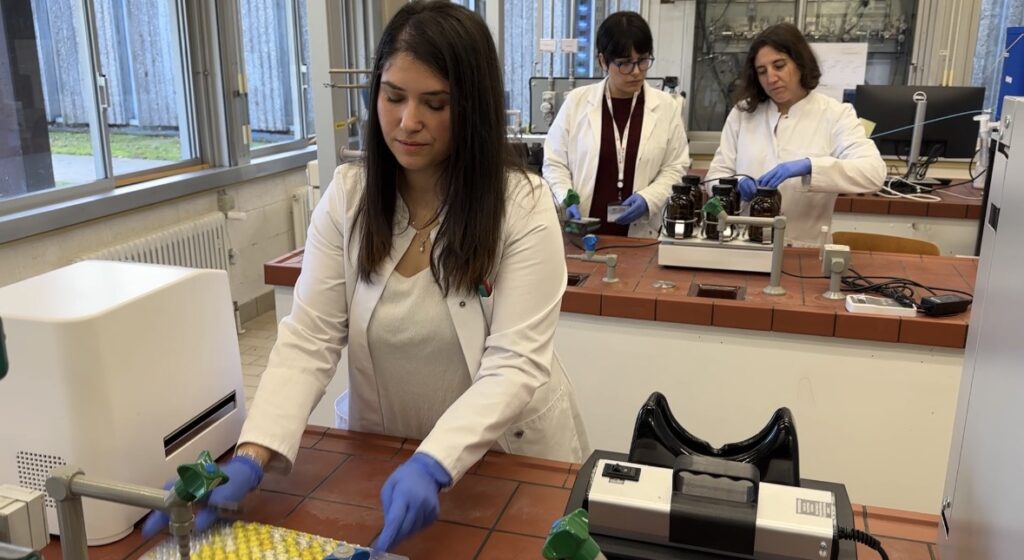
“The main challenge concerning water reuse is ensuring public health and safety. The effectiveness of each technology is highly dependent on the original properties of the water and the nature of the contaminants present on it, which makes very complicated to reach the required quality standards for reuse. ”Irene Salmerón García Environmental Scientist
No universal treatment – tailored solutions needed
Irene explains there is no universal treatment that is capable of simultaneously removing organic matter, toxic pollutants and pathogens. For this reason, it is key to combine advanced technologies and to study the possible synergies and drawbacks of the treatment trains.
Irene works on the LëtzREUSE project – a collaboration between industry (TR-Engineering) and academia (University of Luxembourg) – which focuses on identifying practical, tailored solutions for water treatment based on the specific characteristics of each source: wastewater, greywater, or stormwater.
Goal: Achieving highest water quality at lowest cost
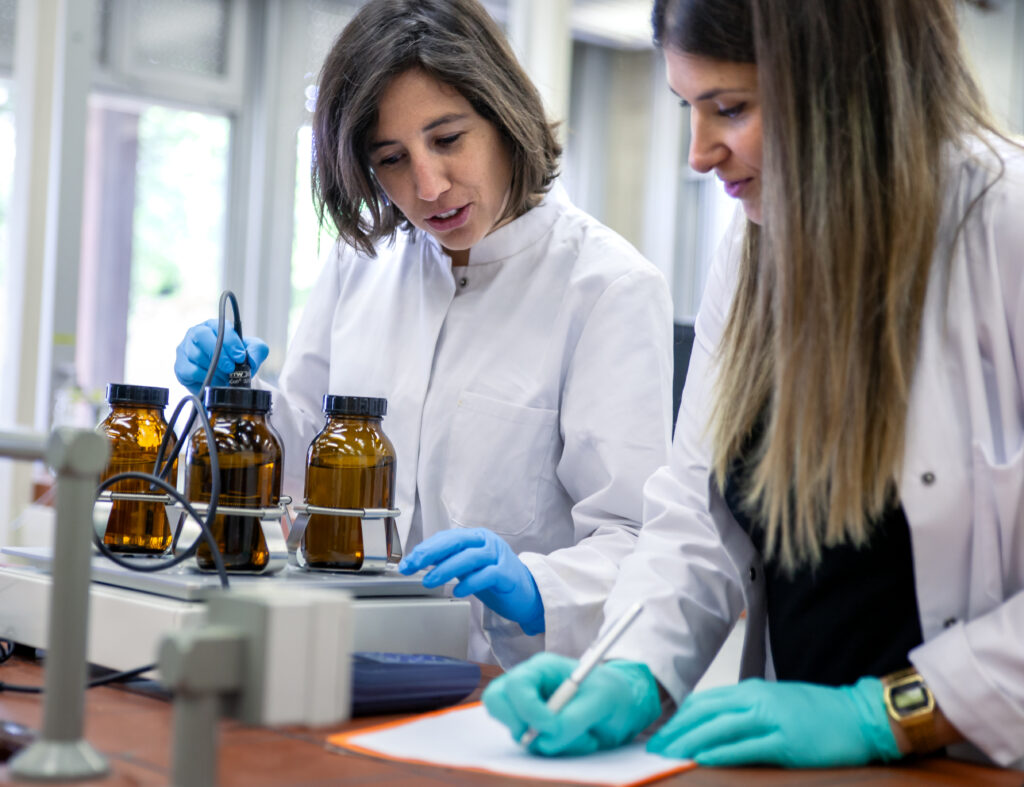
“The first step is identifying the most suitable commercially available technologies, such as granular activated carbon (GAC), ozone, advanced oxidation processes, or nature-based solutions. I then evaluate in lab-test their performance in removing pathogenic microorganisms that pose health risk and potentially toxic pollutants, checking how it fits with the quality standards of the national and EU guidelines for reuse. By analysing the strengths and limitations of each process, I propose optimal combinations to achieve the highest water quality at the lowest cost.”
Irene explains the final goal is to create a decision support tool (DST) that enables TR-Engineering – the industry partner in the project – to efficiently select the most appropriate solution for each case. This will reduce preliminary study time and give a competitive advantage in the market.
“The European Commission has highlighted water reuse technologies as a promising industry with significant market potential. TR-Engineering already has a strong technical knowledge in water depuration, but pathogens and new pollutants requires a step forward.”
“The company does not have an R&D department, but the LëtzREUSE project, in the framework of FNR Industrial Fellowship, has allowed the transfer of knowledge. Currently I carry out experiments to evaluate the technologies with the collaboration of the Urban water management team of the University of Luxembourg and I explore the real applicability of them with the support of TR-Engineering. ”Irene Salmerón García Environmental Scientist
Irene Salmerón García is an Environmental Scientist with a PhD in Biotechnology and Industrial Bioprocesses. She is currently working as a Postdoc (FNR Industrial Fellowship) on a collaborative project between TR-Engineering (within the Hydraulic service lead by Martin Biehler) and the Chair of Urban Water Management of the University of Luxembourg, led by Prof Joachim Hansen.
MORE ABOUT IRENE SALMERÓN GARCÍA
Describing her research in one sentence
“The LëtzREUSE project aims to develop a decision support tool to efficiently identify the most suitable and cost-effective water treatment solutions aiming to foster the reuse of water and reduce the pressure on natural water resources.”
Working with industry versus academia
“Academia fosters a holistic exploration of technological mechanisms and underlying phenomena, giving freedom to curiosity and creativity. In contrast, the private sector focuses on the application of these technologies in real-world contexts, prioritising efficiency and simplicity to minimise impact and costs.
“Both play distinct but complementary roles, and the transition to industry has been a very enriching experience, bringing to light practical aspects that I had not fully appreciated before.”
How industry and academia can benefit from each other
“Industry benefits from academia by getting early access to new ideas, pioneer technology, and expert knowledge that can boost innovation and lower risks. For researchers, working with industry brings real relevance to their work, submitting their findings to practical challenges that can inspire new research directions as well as additional funding opportunities. Collaborating with industry promotes and enhances the social impact of academic research and helps align scientific efforts with current needs.”
“Together, these partnerships accelerate progress, bridge the gap between theory and practice, and foster the development of effective, scalable solutions.”
On her passion for science
“Water is a precious but limited resource, essential for life, but often overlooked. This awareness drives my passion for research. My passion is to use science to address these environmental challenges and to encourage sustainable water management. Joining the Uni.Lu-TR team offered the ideal combination of academic expertise and industrial collaboration to achieve tangible and real solutions.”
What she loves about science
“What I love about research is the constant opportunity to learn and grow. Each project brings new questions, that keep the work dynamic and engaging.”
Why she chose Luxembourg for her research
“I chose to conduct my research in Luxembourg because of the strong commitment of the country with science and innovation. The government has made significant investments to build a more sustainable future being the sustainable development one of their pillars, thus creating the perfect framework for research.”
“What I appreciate most is how easy it is to collaborate as institutions, universities, and companies are very open and accessible. That kind of environment makes much easier to develop projects and create real impact.”
Where she sees herself in 5 years
“I would like to build a career focused on applying sustainable technologies to real world challenges, while maintaining a strong connection to research and innovation. Bridging the gap between science and practice is important to me, as it allows for evidence-based solutions that are both practical and cutting-edge. I want to stay engaged in innovation while driving breakthrough changes on the field.”
Related Funding Instruments
Related highlights
Spotlight on Young Researchers: Smarter choices for complex systems
Complex systems are part of our everyday lives: smart cars, satellites, medical devices – but if they fail it can…
Read more
Spotlight on Young Researchers: Modelling Forest survival in a changing climate
Forests are dynamic ecosystems – they are used to change but it takes time to adapt. Climate change means drastic…
Read more
Spotlight on Young Researchers – Revisited: From researcher to project manager
When Xianqing Mao was featured in Spotlight on Young Researchers in 2017, she had completed her medical degree and was…
Read more
Spotlight on Young Researchers: Giving robots a more human touch
The use of robots is rising, both in industry and in homes. This is made possible by scientists leveraging artificial…
Read more
Spotlight on Young Researchers: Cancer in older people & the need for a tailored approach
Cancer in adults aged 65+ is increasing, raising pressure on healthcare systems worldwide, creating economic and social burdens for families…
Read more
Spotlight on Young Researchers: A behavioural science approach to financial misconduct
The rapidly evolving risk landscape financial institutions navigate has brought uncertainty and a risk, making them vulnerable to misconduct and…
Read more