BACK TO RESEARCH WITH IMPACT: FNR HIGHLIGHTS
As the FNR marks 25 years since its creation, we highlight 25 examples of FNR-supported research with impact.
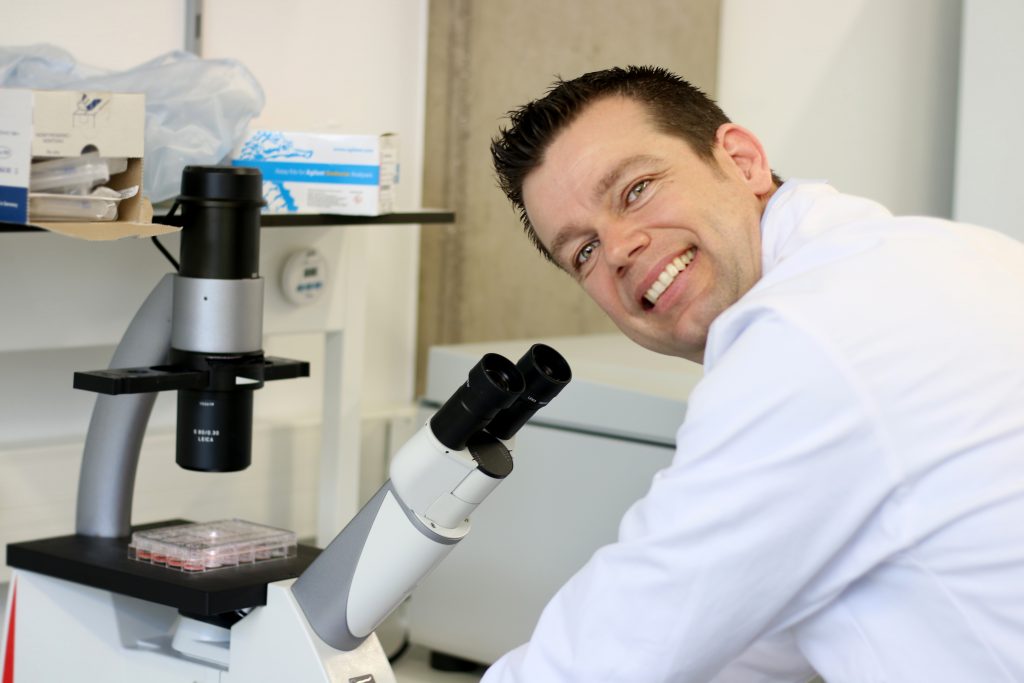
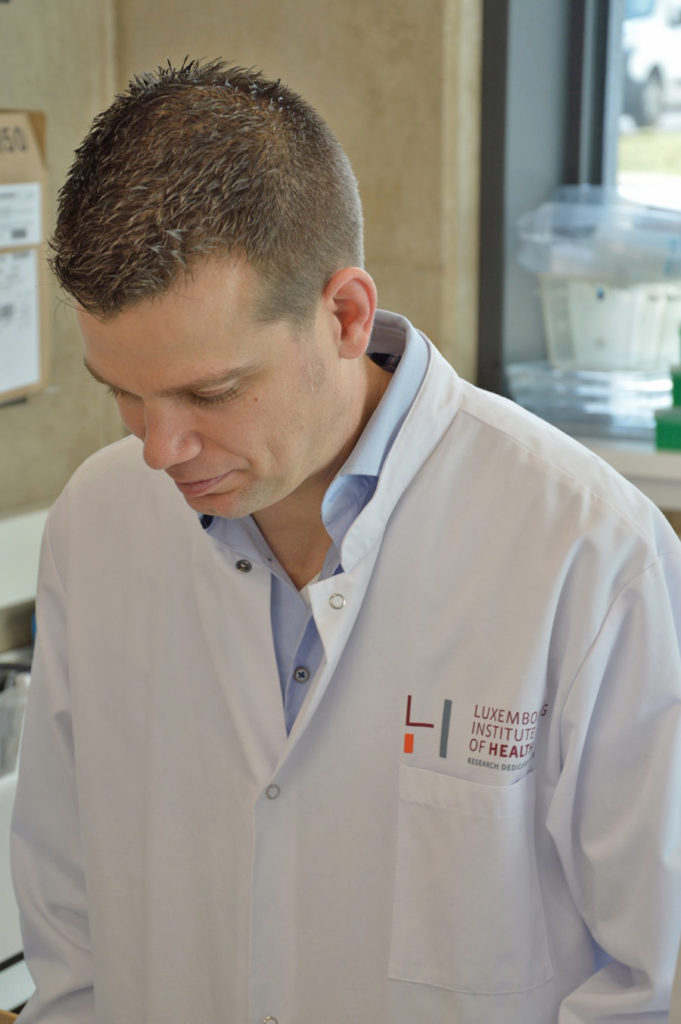
Since arriving in Luxembourg in 2015 with an FNR ATTRACT Fellowship, Dirk Brenner has led various projects focused on understanding how our immune system impacts health and disease, and how molecular and metabolic mechanisms can be tuned into personalised treatments.
“With my research group, I study how immune cells use energy and nutrients, and how small shifts in their cellular metabolism switch immune responses on or off. Understanding these switches—immunometabolism—lets us design targeted, often gentler interventions that correct disease causes rather than only suppress symptoms. ”Dirk Brenner Professor of Immunology & Genetics, Luxembourg Institute of Health (LIH) & University of Luxembourg
Dirk Brenner trained in Toronto, Canada, with Prof. Tak W. Mak, in a laboratory with global recognition for important contributions, such as the identification of genes encoding the T-cell receptor.
“That environment shaped my focus on signalling and disease mechanisms across infection, inflammation, autoimmunity, and cancer. I brought this perspective to Luxembourg in 2015 with an FNR ATTRACT consolidator fellowship and founded the Experimental & Molecular Immunology group at the Luxembourg Institute of Health (LIH). From the start, my aim was clear: dissect immune metabolism and turn molecular mechanisms into personalised treatments.”
Since 2016, Brenner is also Deputy Head for Research & Strategy in the Department of Infection and Immunity at LIH, also becoming Full Professor of Immunology & Genetics in a joint role with the University of Luxembourg in 2020.
New paths for precision treatment
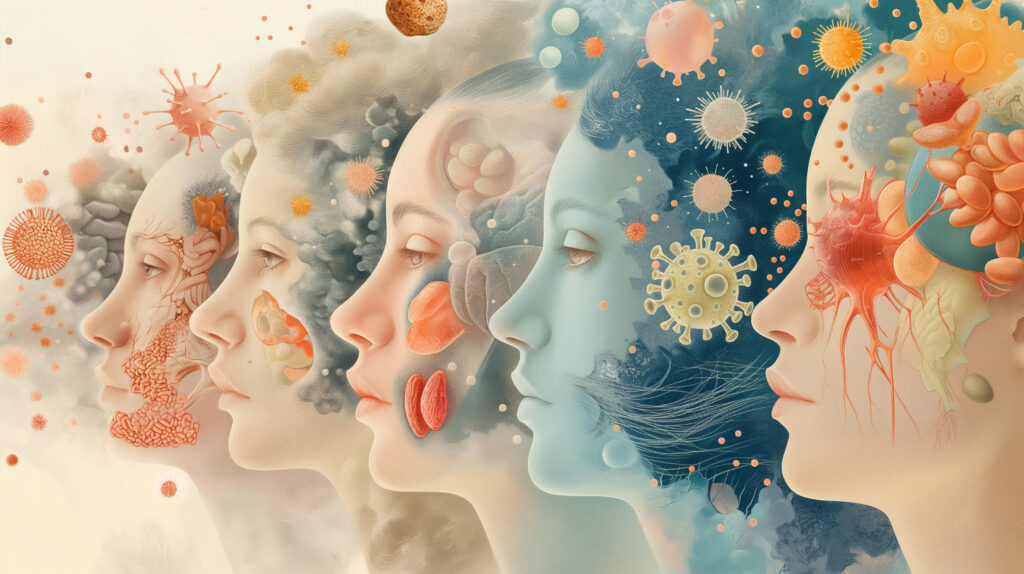
Immunometabolism refers to how cellular metabolism controls immune cell activity and shapes the body’s defence and tolerance. It gives insight into how metabolic shifts can turn immune responses on or off. This opens new paths to treat inflammation, autoimmunity, and cancer with greater precision.
“When I entered the field, it was still in its infancy, and only a few groups explored the metabolic circuits of immune function. We joined this effort early and helped shape its development through discovery and collaboration. Today, our lab is recognised as one of Europe’s leading groups in immunometabolism, advancing understanding of how metabolic control influences immunity and disease. This insight paves the way for a new generation of targeted, less toxic immunotherapies. ”Dirk Brenner Professor of Immunology & Genetics, Luxembourg Institute of Health (LIH) & University of Luxembourg
Brenner is also among the founders of the European Immunometabolism Network, which connects experts across the continent and fosters training in still relatively novel discipline.
“Building on our reputation, we will host the 2nd Annual Meeting of the Immunometabolism Network in Luxembourg in 2026—highlighting the country’s growing role in advancing mechanistic and translational immunology.”
Unravelling the cause – and cure – of many immune diseases
An immune disease means that the immune system attacks the body. It is thought there are around 100 different of such diseases and that around one in ten people have an immune-mediated disease. Examples of immune-mediated diseases are, for example, psoriasis, multiple sclerosis (MS), lupus, and rheumatoid arthritis, as well as Type 1 diabetes, and inflammatory diseases such as Crohn’s disease.
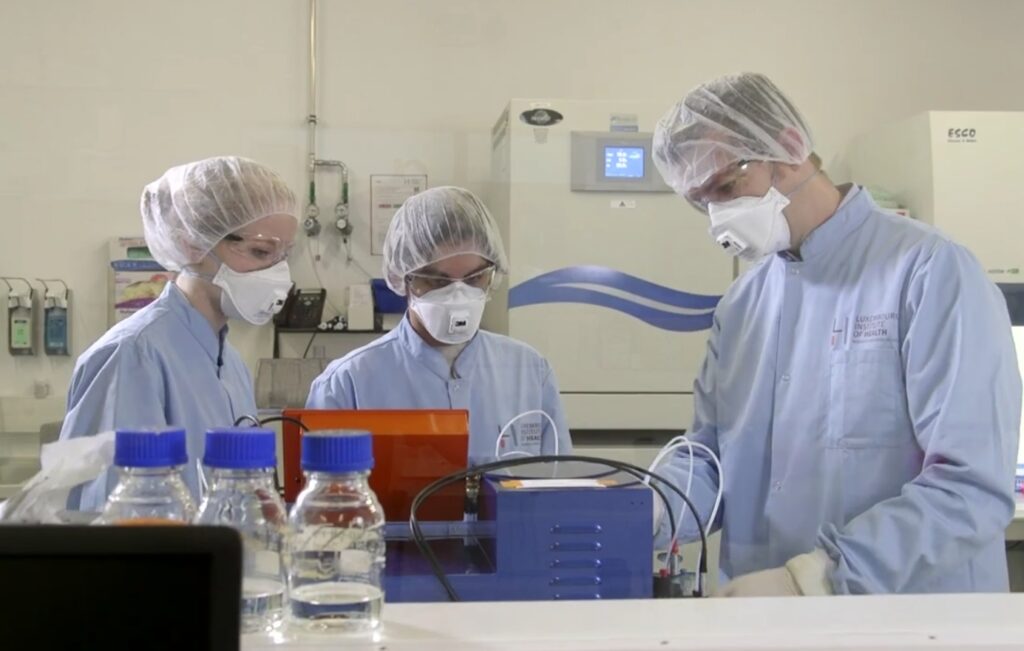
During COVID-19, Brenner’s group supported national decision-making by providing scientific evidence and consulting, an important example of how mechanistic insight can guide health policy. Furthermore, with his research group, Brenner has been able to show that many immune diseases trace back to small “metabolic errors” inside immune cells. When these faults are corrected, the immune system is often able to restore the balance on its own.
“In one study, a precisely designed diet stopped a severe autoimmune reaction by fixing a single metabolic defect in regulatory T cells—without the need for strong drugs. In another, we discovered how gut immune cells rely on antioxidants to protect the intestine, and how this same mechanism fails in some patients with ulcerative colitis. Both studies were featured on the cover of Cell Metabolism, one of the world’s leading journals—a unique recognition for Luxembourg at this level.”
These research outcomes also caught the attention of the Swiss biotech company MPC Therapeutics, with whom Brenner and team are now closely collaborating to translate these findings into clinical applications – exploring the creation of a Luxembourg-based spin-off.
Regulatory T-cells were also the subject of the 2025 Nobel Prize in Physiology or Medicine – read the article with Dirk Brenner“This partnership shows how research can spark innovation and economic growth with the hope of improving patient care. ”Dirk Brenner Professor of Immunology & Genetics, Luxembourg Institute of Health (LIH) & University of Luxembourg
Strengthening Luxembourg’s role in shaping the future of immunometabolism
“Our lab has become an integral part of the international immunometabolism community. I am a regular invited speaker at leading scientific conferences such as the Keystone Symposia, Cell Symposia, and Gordon Research Conferences, among others. We actively contribute to global discussions, serve on panels and review boards, and help organise international meetings. This visibility strengthens Luxembourg’s role in shaping the future of immunometabolism and in turning scientific mechanisms into real therapeutic innovation.”
What the future holds: From reading metabolic fingerprints to correcting causes
Brenner predicts that over the next decade, immunometabolism will transcend the stage of explaining mechanisms and disease and evolve to guiding care.
“We will read metabolic “fingerprints” in patient samples, define endotypes, and match them to targeted interventions—such as precision diets, antioxidant support or any other supplement that aligns with the disease mechanism—so treatment corrects causes rather than only suppressing symptoms. Our own work on regulatory T cells and on a gut Th17 axis already illustrates this path from mechanism to tailored therapy.”
Cohort platforms in Luxembourg, such CLINNOVA, supported by the FNR’s NCER programme, will be decisive, Brenner explains, since they connect large, real-world patient datasets with the team’s mechanistic assays, allowing for the testing of predictions and refinement of care pathways.
“To make this scale, training must merge bench work with data science. That is exactly what our FNR PRIDE NEXTIMMUNE2 programme does: it creates a national pipeline of researchers fluent in immunology and bioinformatics. Internationally, the European Immunometabolism Network will knit together expertise across laboratories through our recently established EU-funded International Training Network “UNLIMITED.” Hosting the network’s 2026 meeting in Luxembourg will further allow us to help set the agenda for translation. My role is to keep closing the loop—from mechanistic discovery to patient-matched intervention—while growing the talent base and convening the field through our Lecture Series and advisory work. That is how “From Mechanism to Personalized Treatment” can become reality. These efforts prepare Luxembourg for data-driven, personalised medicine and strengthen the link between science, society, and industry. ”Dirk Brenner Professor of Immunology & Genetics, Luxembourg Institute of Health (LIH) & University of Luxembourg
Dirk Brenner on FNR support
“FNR support has shaped every step of my scientific journey in Luxembourg. The ATTRACT fellowship enabled me to establish a dedicated immunometabolism research program. Through CORE projects, we explored how cellular antioxidants like glutathione control immune balance—from T-cell–driven autoimmunity and inflammation to macrophage and B-cell redox biology, and finally to Th17 cell metabolism and its dual protective or pathogenic roles. Most recently, I coordinate NEXTIMMUNE2, an FNR PRIDE doctoral training unit with 19 PhD students, where experimental immunology and bioinformatics are closely integrated. This initiative sparked the rollout of bioinformatics training across our entire department—an essential step for modern biomedical research.”
“In addition, with RESCOM funding, I developed the Lecture Series in Infection & Immunity into a high-profile program that now rivals the line-up of Keystone Symposia, attracting world-class scientists and strong international attention to our department and the Luxembourg Institute of Health. Together, these FNR-supported initiatives connect deep mechanistic research with advanced training and translation, preparing the Luxembourg Institute of Health for a deep dive into precision, data-driven personalized medicine.”
Mentoring the next generation
“With FNR support, I have mentored 10 PhD students, 8 postdocs, and 30 interns or Bsc/Msc thesis students. Through NEXTIMMUNE and NEXTIMMUNE2, we also built two national cohorts with 19 PhD positions each, shared across LIH, the University of Luxembourg, and LNS—turning our expertise into a countrywide pipeline. Alumni have moved to leading centres such as Stanford University (USA), VIB (Belgium) and University of Basel (Switzerland), and earned distinctions like an EMBO Fellowship and the University of Luxembourg Excellence Thesis Award. Mentoring has shaped me as well. It enforces clarity and integrity; we independently replicate key experiments and debate data openly. It also costs a lot of my time, but I clearly enjoy to discuss with my students.”
On collaboration & international cooperation
“FNR support turned collaboration into our default. ATTRACT anchored my lab in Luxembourg, while PRIDE/NEXTIMMUNE and NEXTIMMUNE2 connected LIH, the University of Luxembourg and LNS into one training and research pipeline. RESCOM powered the Lecture Series in Infection & Immunity, which brings leading scientists to LIH and seeds new partnerships. Internationally, this visibility led to high-level roles: I chaired the Scientific Advisory Board of VIB’s Center for Inflammation Research in 2023 (Ghent, Belgium), and I serve on advisory boards for the CRC/SFB1454 “Metaflammation and Cellular Programming,” (Bonn, Germany), for LMU’s Center for Inflammation & Metabolism (Munich, Germany) and the European precision-health initiative HEAL Italia (Palermo, Italy); I was also appointed to the Board of Directors of the European Cell Death Organization (ECDO). I am a founding member of the European Immunometabolism Network a European research initiative and will host its 2026 annual meeting in Luxembourg—placing the country at the center of this field. I coordinate the Signal Transduction & Immunometabolism study group of the German Society of Immunology (DGfI) and sit on the Scientific Advisory Board of the Signal Transduction Society (both Germany), further linking Luxembourg to top European labs. In education, I advise international programmes, including the Manchot Graduate School “Molecules of Infection” (Düsseldorf, Germany) and the Integrated Immunology master’s programme at FAU Erlangen, Germany. Beyond academia, our results attracted MPC Therapeutics, with whom we now collaborate on translation and explore a possible Luxembourg-based spin-off. During COVID-19, FNR-enabled capacity fed into the national task force, tightening ties with public-health partners.”
Dirk Brenner’s FNR-funded projects (main applicant)
| Project title | Call year | FNR funding instrument |
| RESCOM | 2023 | Lecture Series in Infection & Immunity |
| PRIDE | 2022 | NextImmune2: Next generation Immunology research |
| CORE | 2021 | Characterization of key metabolic circuits in Th17 cells and their influence on Th17 cell mediated pathogenic and protective functions. |
| RESCOM | 2021 | Lecture Series in Infection & Immunity |
| CORE | 2018 | Elucidating the function of antioxidants and ROS on metabolism and inflammation in macrophages and B cells |
| RESCOM | 2018 | Lecture Series in Infection & Immunity |
| RESCOM | 2017 | Lecture Series in Infection & Immunity |
| RESCOM | 2016 | Lecture Series in Infection & Immunity |
| CORE | 2015 | Elucidating the role of Glutathione in T cell driven autoimmunity and inflammation |
| ATTRACT | 2014 | Regulating the regulators: Gateways of inflammation and lymphoma |
Related Funding Instruments
Related highlights
Fighting autoimmunity and cancer: The nutritional key
A team of scientists at the Luxembourg Institute of Health (LIH), led by FNR ATTRACT Fellow Prof Dirk Brenner, have…
Read more
The immune system: A delicate balance
The immune system enables the body to fight off illness – but if it works too little, or too much,…
Read more
Spotlight on Young Researchers: Understanding our immune system
Stemming from Italy, Indonesia, Luxembourg, Portugal and Spain, the members of the Experimental & Molecular Immunology Group truly are an…
Read more
FNR ATTRACT Fellow in significant immunology discovery
Scientists at the Luxembourg Institute of Health (LIH) have discovered a previously unknown way in which our immune system activates…
Read more
Related highlights
25 examples of research with impact: Breaking barriers in cancer research & treatment
As the FNR marks 25 years since its creation, we highlight 25 examples of FNR-supported research with impact. In Luxembourg…
Read more
25 examples of research with impact: Towards early detection and prevention of neurodegenerative diseases
As the FNR marks 25 years since its creation, we highlight 25 examples of FNR-supported research with impact. Since arriving…
Read more
25 examples of research with impact: On the trail of allergies
As the FNR marks 25 years since its creation, we highlight 25 examples of FNR-supported research with impact. Over the…
Read more
25 examples of research with impact: Unravelling the secrets of microbiomes
As the FNR marks 25 years since its creation, we highlight 25 examples of FNR-supported research with impact. Since returning…
Read more