The FNR is pleased to announce that two young promising researchers from Luxembourg are among the 600 young scientists selected by the Lindau Selection Committee to attend the annual Lindau Nobel Laureate Meeting. The 2026 Meeting, dedicated to interdisciplinarity, takes place from 28 June – 3 July in Lindau, Germany.
Find out more about FNR travel grant opportunitiesThe Lindau Nobel Laureate Meetings take place every year since 1951 and are designed as a forum for exchange, networking and inspiration. In Lindau, excellent young researchers meet the most acclaimed scientists of their field.
The young scientists selected for 2026 are outstanding undergraduate students, graduate students and post-docs under the age of 35. They have successfully passed a multi-stage international selection process. More than 130 academic partners worldwide – academies, universities and foundations – nominated the candidates for participation.
The two candidates from Luxembourg, who successfully passed a multi-step international selection process (incl. a pre-selection by the FNR), and whose attendance is co-funded by the FNR, are:
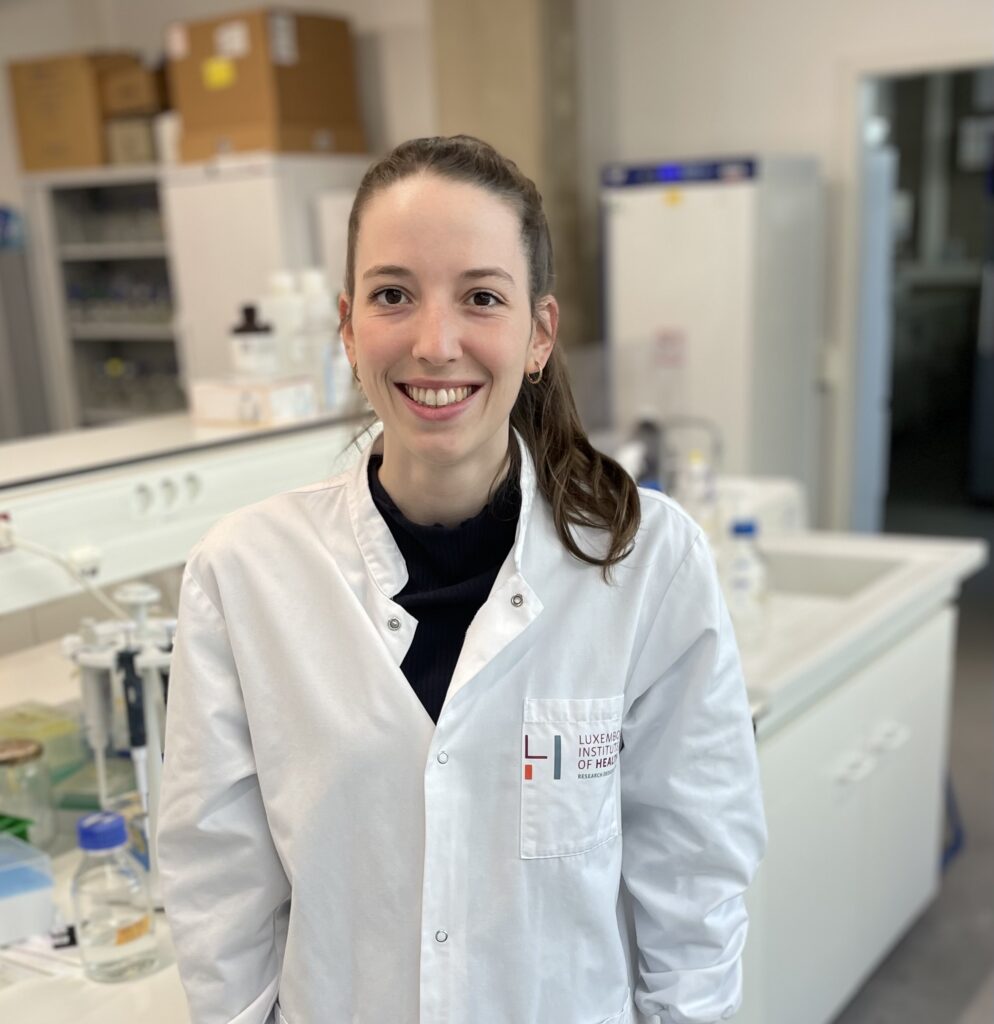
Rebecca Klapp
“As a PhD candidate in the Molecular and Translational Allergology Group at the Luxembourg Institute of Health and as part of the interdisciplinary Xpose Doctoral Training Unit, I am studying the early environmental imprinting of the immune system in the context of allergic disease. My research focuses on the impact of the chemical and biological environment by combining cohort investigations and in vitro models to elucidate the mechanisms triggering allergic disease.” – Rebecca Klapp, PhD student in Molecular and Translational Allergology at the Luxembourg Institute of Health (LIH)
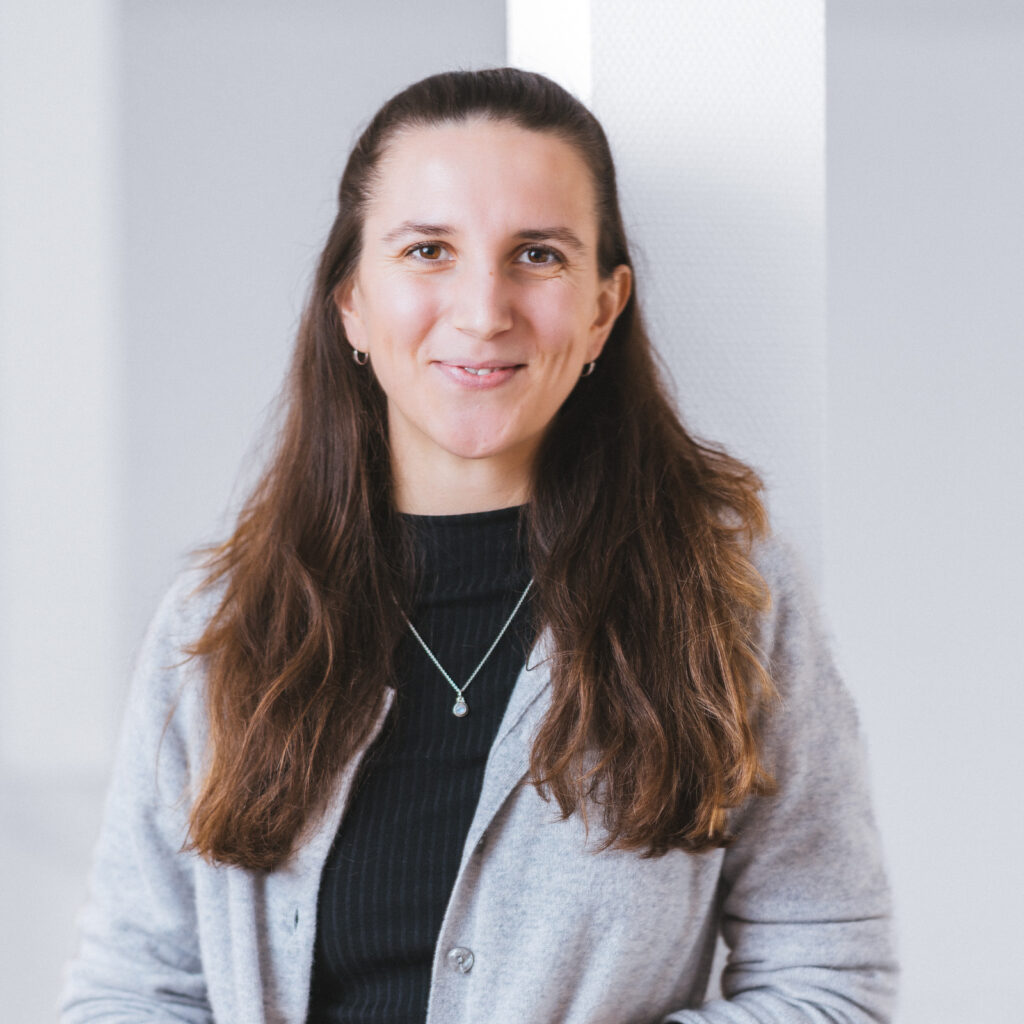
Pauline Seeburger
“As a plant biologist by training, my research also integrates methods from (bio-)chemistry, physics, and eco-physiology to understand plant response to environmental conditions and stressors such as drought and extreme heat. By combining chemical analysis of stress-induced compounds, physical measurements of energy and water exchange, and physiological assessment of plant function, I investigate fundamental mechanisms involved in stress tolerance and affect plant survival, growth, and ultimately nutritional quality.”-Pauline Seeburger, PhD Candidate Environmental Sensing and Modeling (ENVISION), Luxembourg Institute of Science & Technology (LIST)
Related highlights
“After coming back to Luxembourg, to my quiet research corner, I realised the value of this intense week”
For each Lindau Nobel Laureate Meeting, the FNR runs a Call for promising young researchers with a connection to Luxembourg…
Read more
“Truly epic—a once-in-a-lifetime event”
For each Lindau Nobel Laureate Meeting, the FNR runs a Call for promising young researchers with a connection to Luxembourg…
Read more
“Incredible to witness their joy and passion for science”
For each Lindau Nobel Laureate Meeting, the FNR runs a Call for promising young researchers with a connection to Luxembourg…
Read more
2023 Lindau Meeting: “An extraordinary experience”
For each Lindau Nobel Laureate Meeting, the FNR runs a Call for promising young researchers with a connection to Luxembourg…
Read more
“Like a school summer camp, but with amazing young chemists and Nobel laureates”
For each Lindau Nobel Laureate Meeting, the FNR runs a Call for promising young researchers with a connection to Luxembourg…
Read more
“Hearing how different life decisions and habits can lead to very successful scientific careers”
For each Lindau Nobel Laureate Meeting, the FNR runs a Call for promising young researchers with a connection to Luxembourg…
Read more