BACK TO RESEARCH WITH IMPACT: FNR HIGHLIGHTS
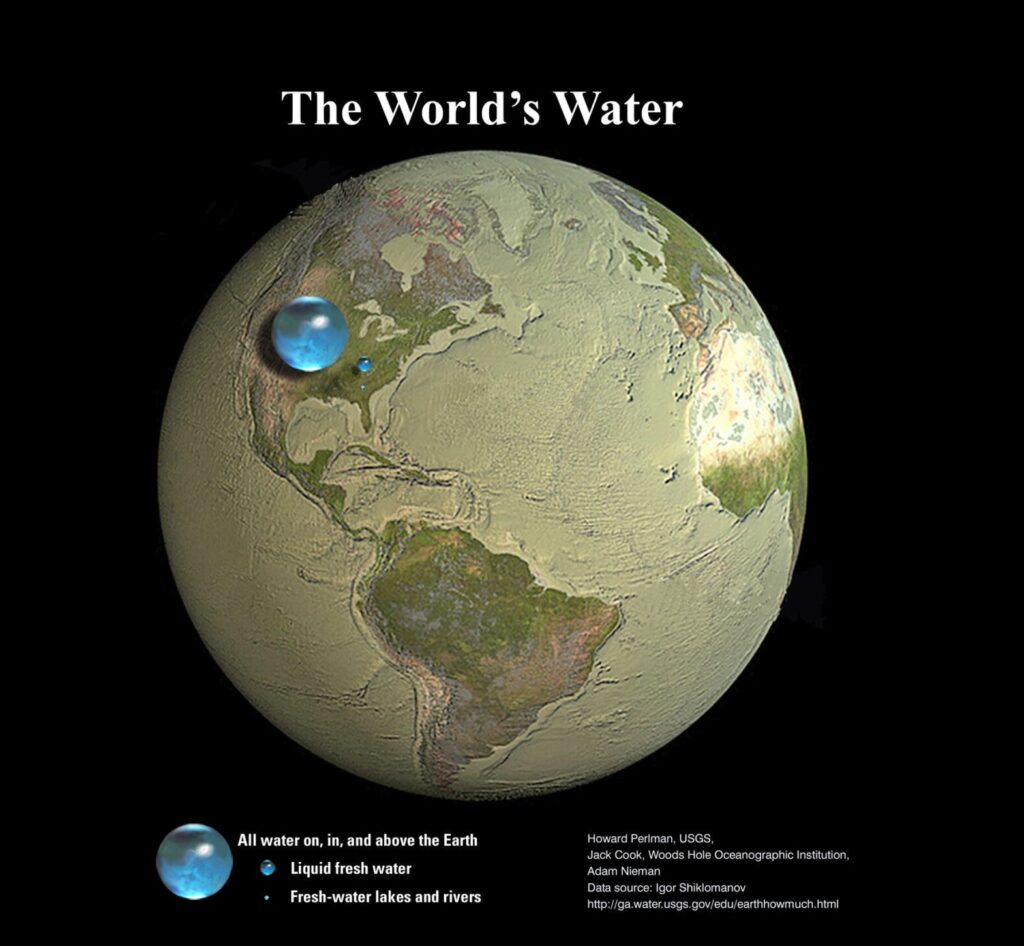
Water covers most of our planet, but only about 3% of it is drinkable and hard to reach for many populations. Researchers are working on energy-efficient processes to separate freshwater from seawater.
Around 40% of the world’s population live in areas where drinking water is limited, perpetuated by climate change.
“My research focuses on a process called Membrane Distillation, a newer technique that uses heat and special filters to separate fresh water from seawater. It can be more energy-efficient than traditional methods when powered by low-grade heat and is well suited for small-scale and remote applications, but still faces challenges. I aim to improve its design so it can provide affordable clean water where it’s most needed,” explains Alaa Ibrahim, a mechanical engineer currently pursuing doctoral research in desalination systems—methods to remove salt from seawater to make it drinkable.
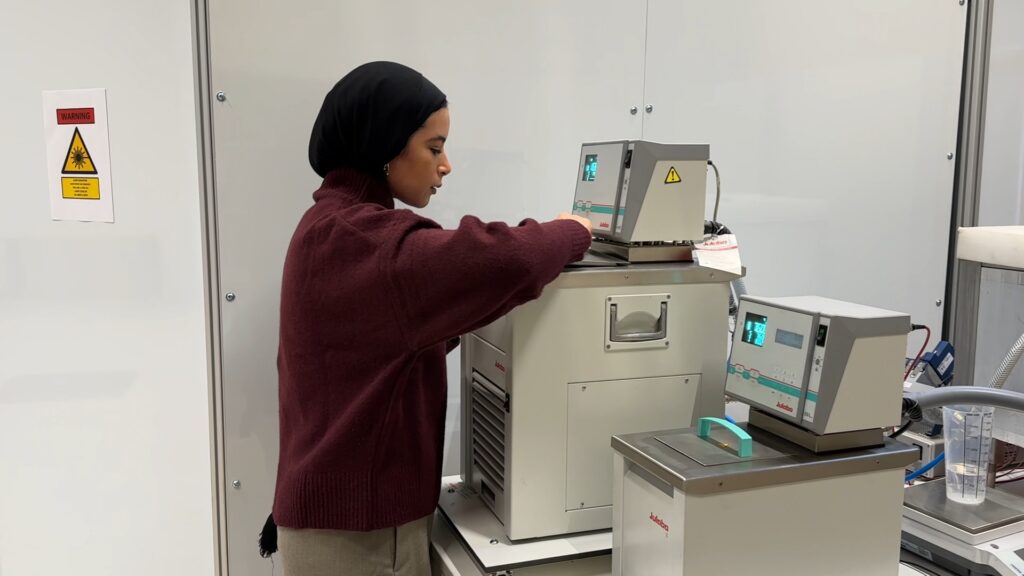
Alaa Ibrahim is based at the University of Luxembourg for her AFR PhD, with the work benefiting from knowledge exchange with researchers from various universities and a leading company in the field of membrane distillation that supports her research by providing a site visit and real operational data.
“This may help us validate our findings against real-world conditions.”
Membrane distillation for sustainable desalination
Recent research in membrane distillation (MD) has led to significant improvements in terms of enhancing its viability for sustainable desalination. Efforts have centred on developing advanced membrane materials that have a better thermal stability and resistance to fouling, but also on optimising system design to improve heat and mass transfer.
Challenges remain in the area of membrane distillation, the main one being to reduce energy consumption, while maintaining high efficiency and long-term membrane performance.
Researchers are tackling the obstacle of how membrane distillation performs over time in real-world conditions, with aspects such as membrane degradation, heat loss, and limited data on long-term operation presenting challenges. Further investigation is also needed to improve integration with renewable energy- key for sustainable and energy-efficient water treatment.
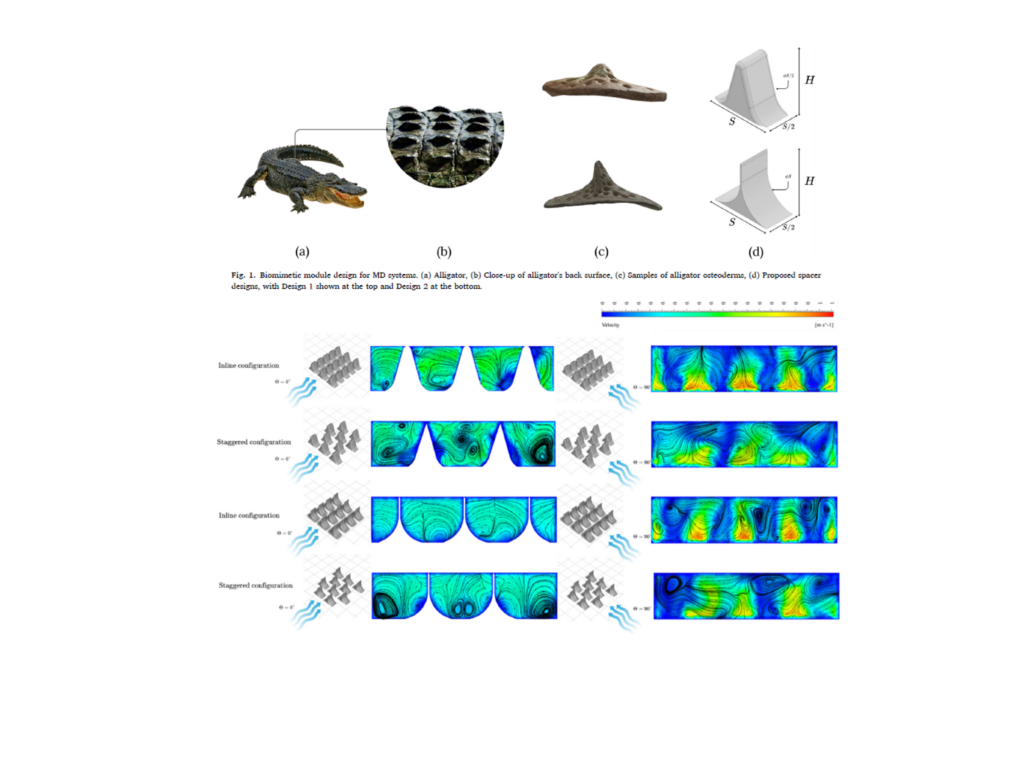
“My research aims to enhance the performance of Membrane Distillation systems by improving both design and operational conditions. One method involves using specially designed turbulence promoters—called spacers, some inspired by natural patterns—to boost water flow and heat transfer. ”Alaa Ibrahim Mechanical Engineer and PhD researcher in the Applied Thermodynamics (ATD) research group, FSTM, University of Luxembourg
“I’m also studying how temperature gradients and salt concentration changes inside the system affect efficiency and stability. These insights are essential for scaling up the technology. By combining innovative design with a deeper understanding of process behavior, the goal is to make Membrane Distillation more energy-efficient, reliable, and practical for a variety of applications, from industrial to residential use.”
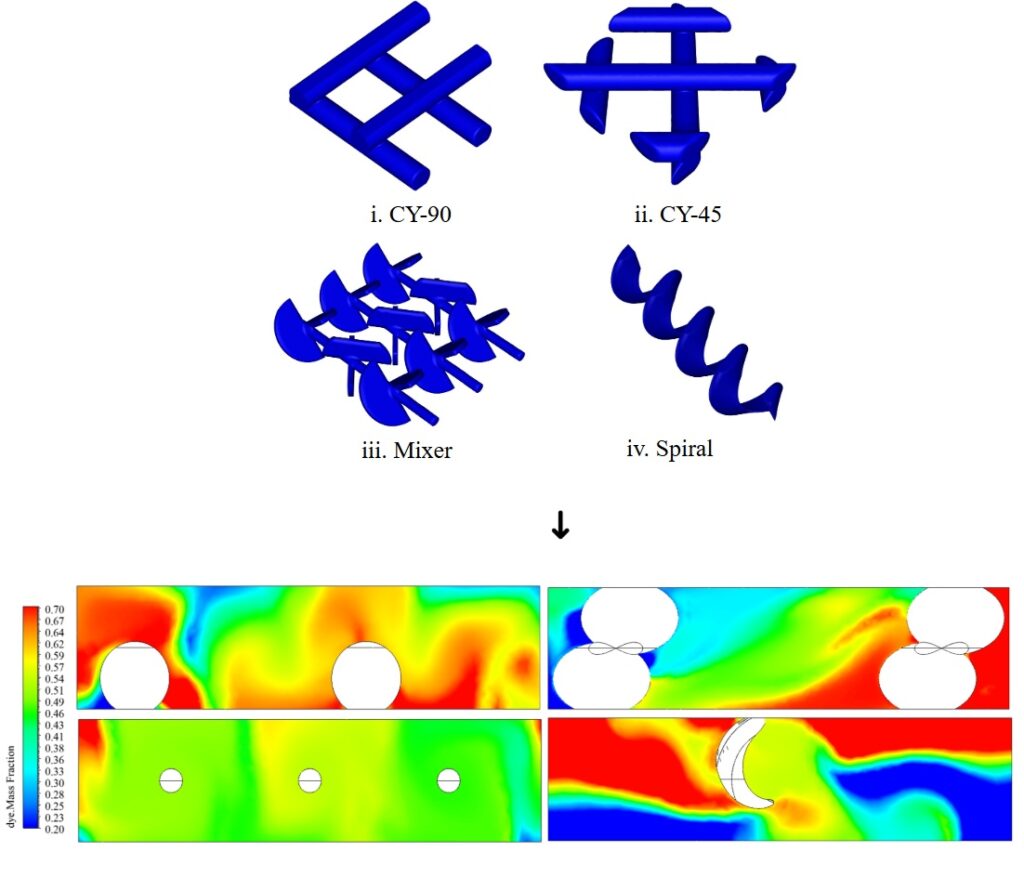
“We’ve designed turbulence promoters with specific features to improve mixing in the feed channel. They’re currently being tested through simulations and lab experiments. Early results show better heat and mass transfer, which boosts the system’s overall efficiency. It’s a promising step toward making Membrane Distillation more effective and practical.”
Alaa Ibrahim is a Mechanical Engineer and PhD researcher in the Applied Thermodynamics (ATD) research group, FSTM, University of Luxembourg, led by Prof. Stephan Leyer.
MORE ABOUT ALAA IBRAHIM
Describing her research in one sentence
“My research focuses on making desalination more efficient by enhancing membrane distillation systems through innovative designs that improve heat and mass transfer, to produce more freshwater using less energy.”
On her research, peer to peer
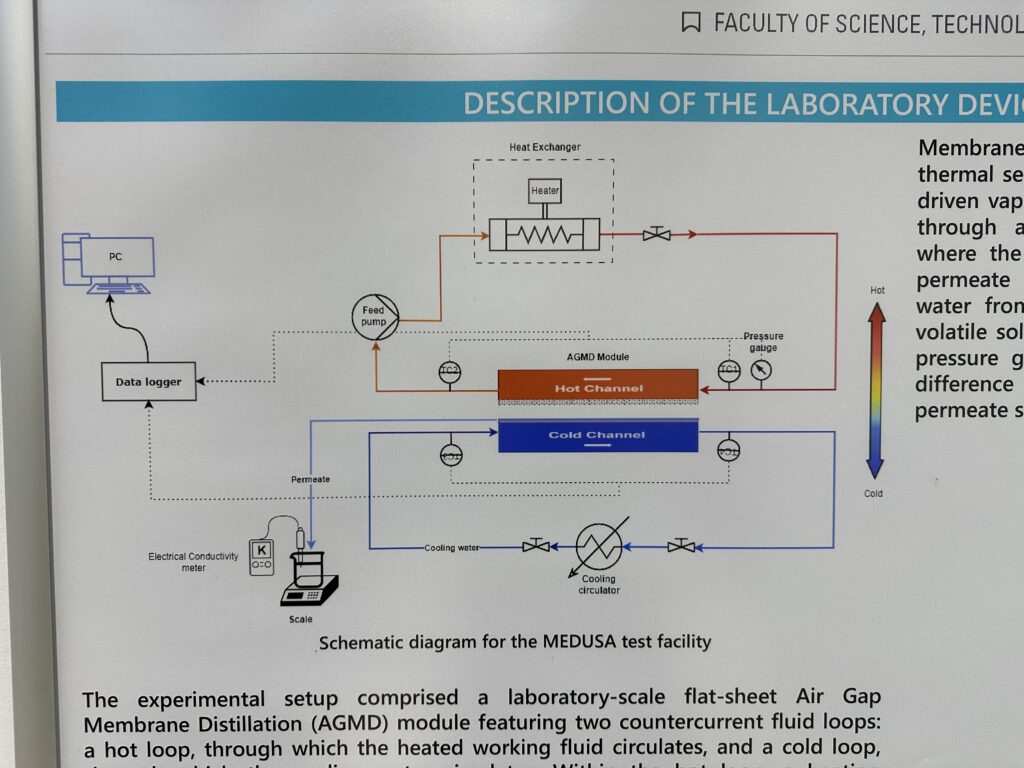
“My research focuses on optimizing membrane distillation (MD) systems, a thermal desalination technique that uses a hydrophobic membrane and temperature differences to separate freshwater from salty or impure water. In this process, water vapor passes through the membrane while salts and other contaminants are left behind. To improve this system, I introduce turbulence promoters in the feed channel to enhance heat and mass transfer. These promoters were first designed and analyzed numerically, then tested experimentally using different types of water to evaluate their performance. This approach improves fluid dynamics and system efficiency, leading to increased freshwater production. I am also studying the temperature gradient across the membrane to better understand its impact on separation performance. The goal is to reduce energy use and make MD systems more effective and scalable for sustainable desalination applications.”
Impressions of working with industry
“Industry focuses on applying solutions quickly and efficiently, with tight deadlines and specific goals. While academia allows more time for deep research, experimentation, and understanding fundamental principles.”
How industry benefits from working with academia and vice versa
“Industry benefits from collaboration with public researchers by gaining access to innovative ideas, advanced methods, and the latest scientific developments that can improve their technologies and processes. In return, academia benefits by testing and validating research on a larger scale, gaining insight into real-world challenges, and ensuring their work has practical impact. These partnerships help bridge the gap between theory and application, driving progress in both fields.”
Related highlights
Spotlight on Young Researchers: Smarter choices for complex systems
Complex systems are part of our everyday lives: smart cars, satellites, medical devices – but if they fail it can…
Read more
Spotlight on Young Researchers: Modelling Forest survival in a changing climate
Forests are dynamic ecosystems – they are used to change but it takes time to adapt. Climate change means drastic…
Read more
Spotlight on Young Researchers: Ensuring sustainable water use for Luxembourg
In Luxembourg, nearly one tenth of water consumption happens in agriculture. Changing rainfall patterns and rising irrigation needs during summer…
Read more
Spotlight on Young Researchers – Revisited: From researcher to project manager
When Xianqing Mao was featured in Spotlight on Young Researchers in 2017, she had completed her medical degree and was…
Read more
Spotlight on Young Researchers: Giving robots a more human touch
The use of robots is rising, both in industry and in homes. This is made possible by scientists leveraging artificial…
Read more
Spotlight on Young Researchers: Cancer in older people & the need for a tailored approach
Cancer in adults aged 65+ is increasing, raising pressure on healthcare systems worldwide, creating economic and social burdens for families…
Read more